
The Ultimate Guide to Aquarium Shrimp: Cherry, Amano, and Ghost Shrimp
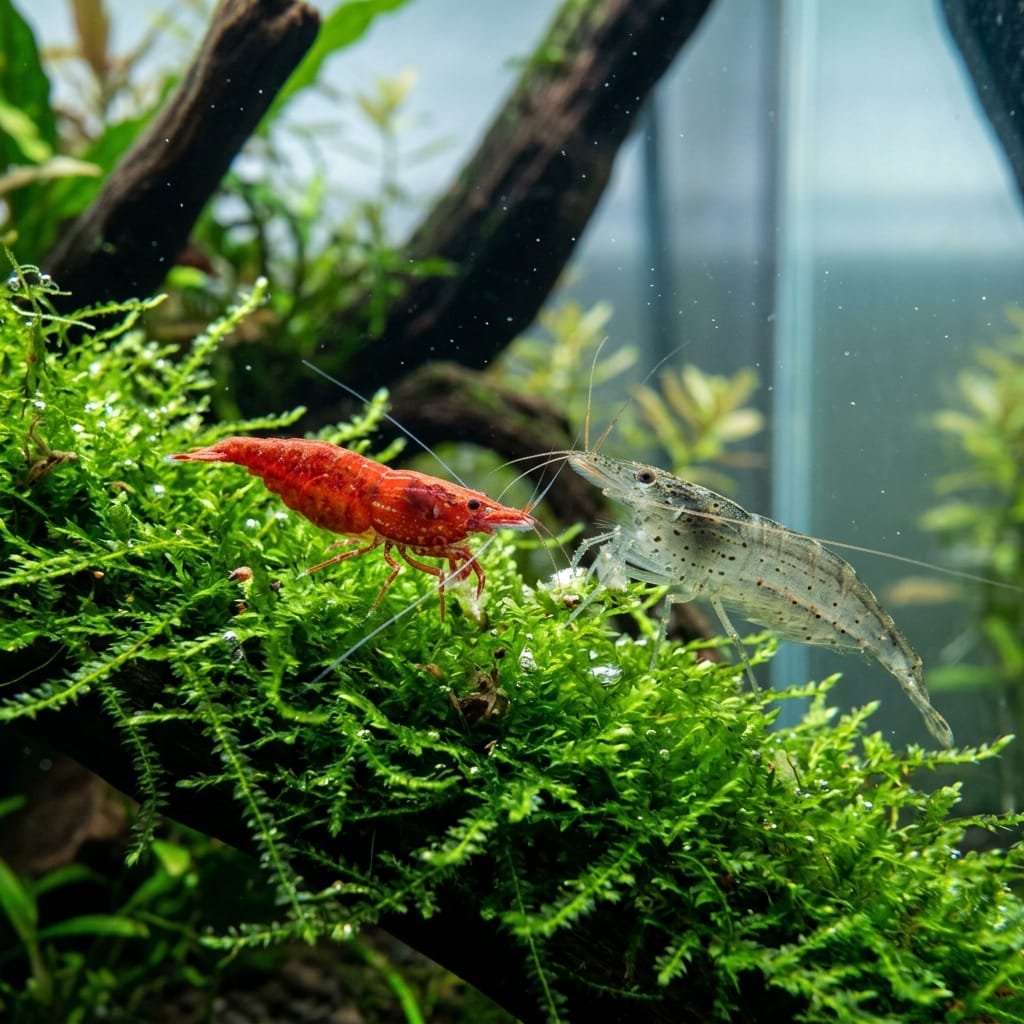
Invertebrates have taken the freshwater hobby by storm, and aquarium shrimp (often affectionately called shrimp fish by beginners) are the undeniable stars. They are peaceful, fascinating to watch, and act as a tireless cleanup crew for your planted tank.
In this comprehensive dwarf shrimp care tips blog, we will explore the most popular species available today and how you can set up the perfect environment for them.
1. The Undisputed King: Cherry Shrimp
When people think of a red shrimp aquarium, they are usually picturing the iconic Cherry Shrimp (Neocaridina davidi).
Why We Love Them:
- Hardiness: Cherry shrimp are incredibly forgiving of water parameters, making them perfect for beginners.
- Color Variations: While standard red shrimp are popular, selectively bred variations like the intense Fire Red Shrimp and the opaque Bloody Mary offer stunning visual upgrades.
- Breeding: If you want to start a shrimp farm at home, setting up a red cherry shrimp tank is the easiest way. With stable water parameters and no predators, they will breed prolifically.
Whether you are looking to buy shrimp for the first time or upgrade your colony’s genetics, Cherry Shrimp are the gold standard.
2. The Algae Destroyers: Amano Shrimp and Ghost Shrimp
While Cherry Shrimp are great for eating biofilm and soft algae, they won’t touch tough hair algae. For heavy-duty cleaning, you need larger shrimp.
Amano Shrimp
Named after the legendary aquascaper Takashi Amano, the Amano Shrimp is a voracious algae eater. They are larger than Neocaridina (reaching up to 2 inches) and will aggressively tackle hair algae and decaying plant matter. Note that they cannot breed in freshwater—their larvae require saltwater to survive.
Ghost Shrimp
Often sold as feeder shrimp, the Ghost Shrimp is a transparent, inexpensive alternative. While they aren’t as effective at eating algae as Amanos, they are excellent scavengers. However, their lifespan is typically much shorter.
Essential Dwarf Shrimp Care Tips
To keep your shrimp colony thriving, follow these golden rules:
- Cycle Your Tank: Shrimp are highly sensitive to ammonia and nitrites. Never add shrimp to an uncycled tank.
- Provide Hiding Spots: Moss (like Java Moss or Christmas Moss) is essential. It provides a massive surface area for biofilm (their natural food) and a safe haven for baby shrimplets.
- Monitor TDS and GH/KH: Shrimp need specific minerals in the water to molt successfully. If the water is too soft, their shells won’t harden. If it’s too hard, they can’t break out of their old shells (the “white ring of death”).
- Avoid Copper: Most fish medications and some plant fertilizers contain copper, which is highly toxic to all invertebrates.
Setting up a dedicated shrimp tank is one of the most rewarding projects in the aquarium hobby. Start with a hardy colony, keep your water stable, and enjoy watching your tiny ecosystem flourish!