
The Ultimate Guide to Images Of Bryophyta: Types, Care, and Prices in India
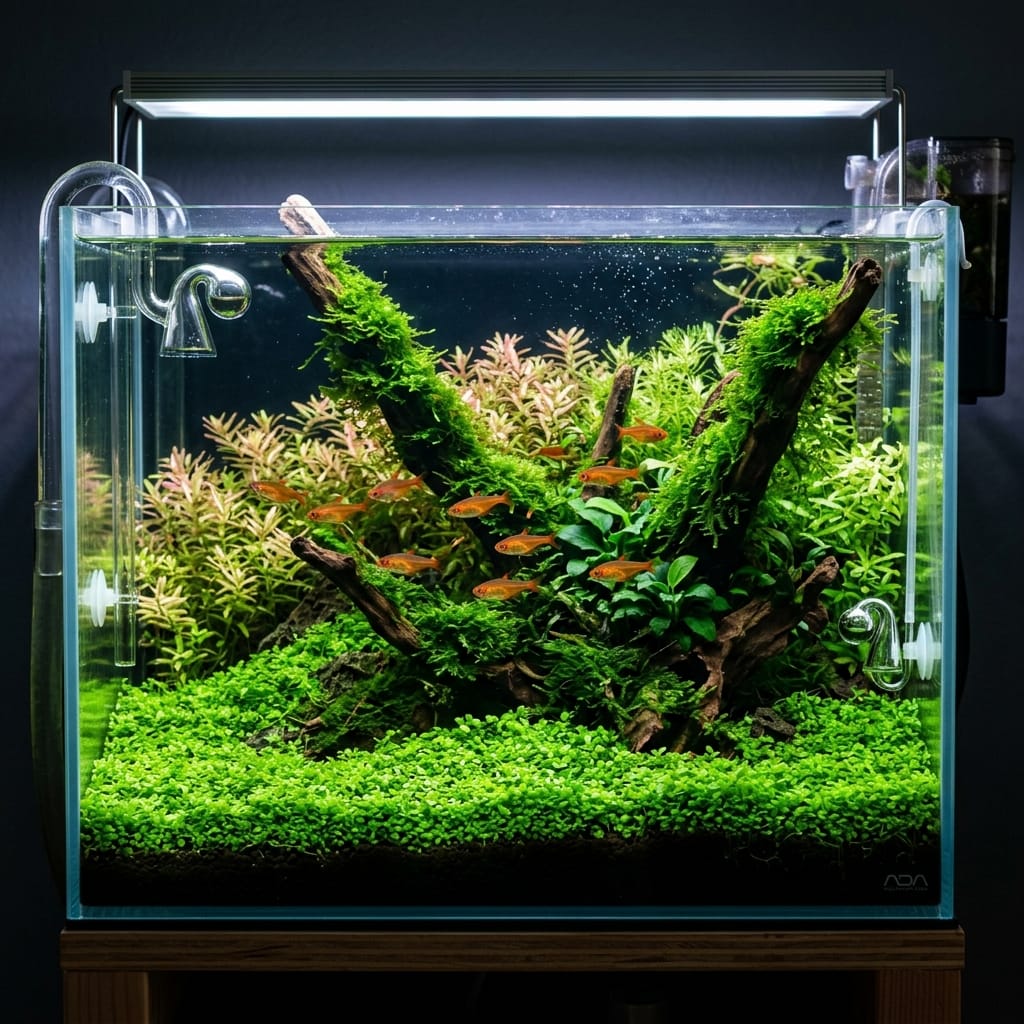
Editorial illustration; not a photograph of NanoAquatics stock or premises.
The Ultimate Guide to Images Of Bryophyta: Types, Care, and Prices in India
In the world of aquascaping and terrariums, the allure of bryophytes—commonly known as mosses—has captivated enthusiasts across India. Understanding the moss meaning and its application can transform your aquarium into a lush, green paradise. In this guide, we will explore the various types of moss plants, their care requirements, and the difference between liverworts and mosses. Whether you’re a seasoned aquarist or a beginner, this comprehensive guide will help you harness the beauty of bryophytes images to enhance your aquatic setup.
What is Moss? Understanding the Moss Meaning
To fully appreciate the role of moss in aquascaping, it’s essential to define moss. In simple terms, mosses are small, green, non-vascular plants that belong to the division Bryophyta. Unlike flowering plants, they do not have roots but instead have structures called rhizoids. This unique feature allows them to absorb water and nutrients directly from their environment, making them ideal for humid conditions.
Types of Moss Plants for Aquascaping
-
Java Moss (Taxiphyllum barbieri)
Java Moss is a popular choice among aquarists in India due to its hardy nature and adaptability. It thrives in a variety of water conditions, making it a perfect choice for beginners. -
Christmas Moss (Vesicularia montagnei)
Known for its unique, tree-like structure, Christmas Moss adds a decorative touch to aquariums. Its dense growth provides excellent cover for small fish and shrimp. -
Peacock Moss (Taxiphyllum sp. ‘Peacock’)
With its distinctive peacock tail appearance, this moss adds an exotic touch to any aquascape. It requires moderate light and CO2 supplementation for optimal growth.
The Difference Between Liverworts and Mosses
When discussing mosses and liverworts, understanding their differences is crucial. While both belong to the bryophyte group, liverworts typically have a flat, ribbon-like structure, whereas mosses are more upright and leafy. The distinction is important when selecting plants for your aquascape as their care requirements and visual impact can vary significantly.
Caring for Moss Plants
Caring for moss plants in an aquarium requires attention to several factors:
- Light: Most mosses prefer low to moderate lighting. Excessive light can lead to algae growth, which can overshadow moss plants.
- Water Conditions: Ensure stable water parameters. Mosses thrive in slightly acidic to neutral pH levels.
- Nutrients: Regular dosing of liquid fertilizers can boost moss growth, though over-fertilization should be avoided to prevent algae blooms.
- Trimming: Regular trimming encourages healthy growth and prevents the moss from becoming too dense, which can impede water flow.
The Importance of Bryophytes Images in Aquascaping
Utilizing pictures of bryophytes can inspire and guide aquarists in designing their aquascapes. Images of bryophyta showcase the versatility of mosses in various setups, from carpeting on the substrate to being attached to driftwood and rocks. These images can help hobbyists visualize and plan their own aquarium layouts.
Costs and Availability in India
The price of moss plants in India can vary based on type and availability. Java Moss is generally affordable, with prices starting around INR 100 for a small portion. More exotic varieties like Peacock Moss may cost upwards of INR 300. Local aquarist shops and online platforms are excellent sources for purchasing moss plants, with some even offering bryophytes images to help you make informed choices.
Conclusion
Understanding the moss definition and its applications can elevate your aquascaping endeavors, providing both aesthetic and functional benefits. By exploring the difference between liverworts and mosses and utilizing the rich tapestry of images of bryophyta, you can craft a stunning aquatic landscape. For Indian aquarists, moss plants offer an accessible and rewarding way to enhance aquarium environments. With the right care and attention, these humble plants can transform your tank into a thriving, green oasis.