
How to Cool Fish Tank in Summer | Indian Shrimp Care Guide
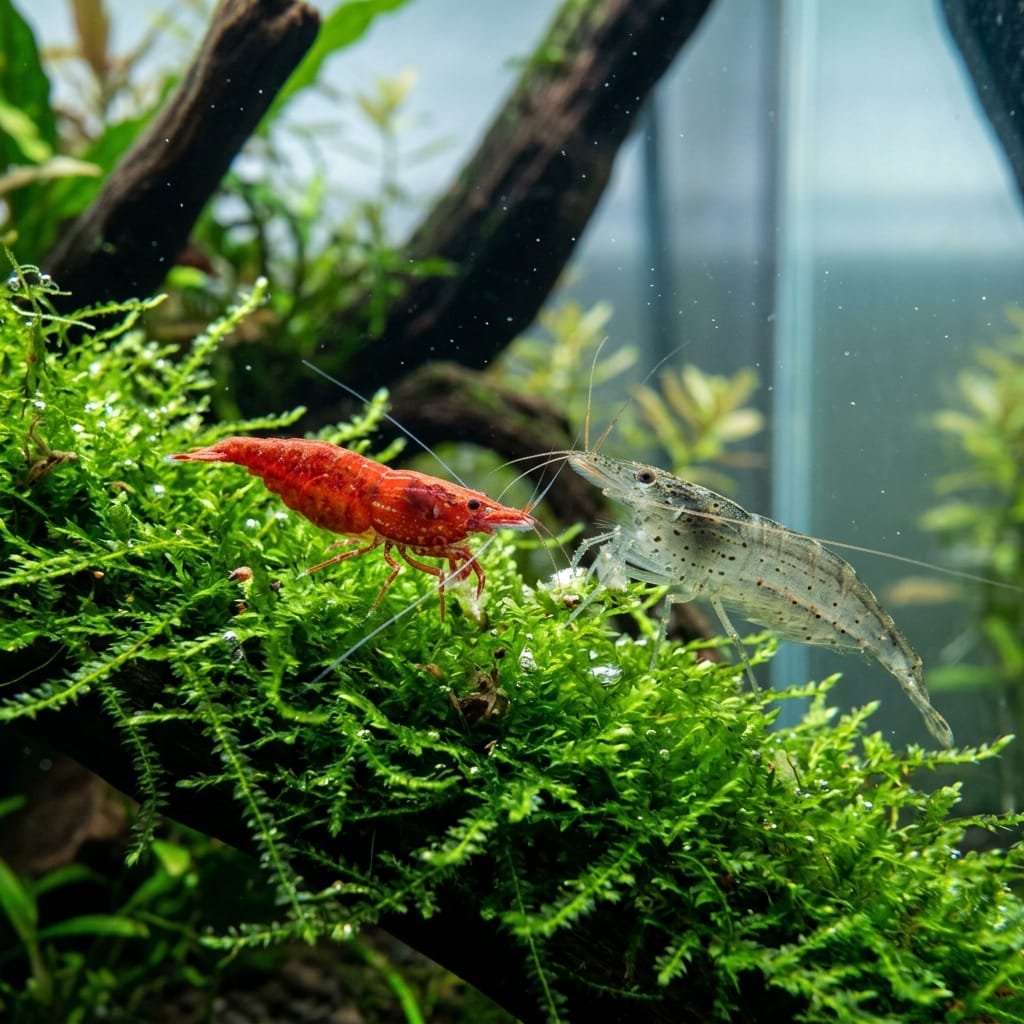
Indian summers can be brutally unforgiving. As ambient room temperatures soar past 40°C in cities like Delhi, Nagpur, or Ahmedabad, nano aquariums experience rapid, dangerous heat spikes. For dwarf freshwater shrimp enthusiasts across India, April through July is often a nerve-wracking season. Without proper intervention, high tank water temperatures can wipe out an entire shrimp colony in a matter of days.
If you are keeping dwarf shrimp in India, this comprehensive Neocaridina shrimp care guide Indian summer temperature survival playbook will help you keep your nano tank cool, oxygenated, and thriving despite heatwaves.
Why Indian Summer Temperatures Threaten Neocaridina Shrimp
Neocaridina davidi shrimp are remarkably hardy creatures, making them ideal for beginners and seasoned nano tank keepers alike. However, like all cold-blooded invertebrates, their metabolism, organ function, and immune systems are intimately linked to water temperature.
The Ideal vs. Dangerous Temperature Range
- Ideal Range: 20°C to 24°C (68°F to 75°F)
- Acceptable Range: 18°C to 26°C (64°F to 78°F)
- Warning Zone: 27°C to 29°C (80°F to 84°F)
- Lethal Zone: 30°C and above (86°F+)
When water temperature climbs past 26°C, several physiological stress factors begin to stack up simultaneously in your nano aquarium.
       [ HIGH TEMPERATURE (30°C+) ]
                    │
   ┌────────────────┴────────────────┐
   ▼                                 ▼
Increased Metabolism        Lower Oxygen Capacity
(Shrimp exhaust energy)     (Suffocation risk increases)
   │                                 │
   ▼                                 ▼
Faster Molting Cycles       Bacterial Blooms Spread
(Failed molts / Deaths)     (Systemic infections surge)
1. Oxygen Depletion
Warm water holds significantly less dissolved oxygen (DO) than cool water. At 20°C, fresh water holds approximately 9.1 mg/L of dissolved oxygen, but at 30°C, that concentration drops below 7.5 mg/L. Dwarf shrimp have delicate gills, and prolonged exposure to low-oxygen environments causes chronic stress, sluggishness, and eventual suffocation.
2. Hyper-Accelerated Metabolism and Failed Molts
At elevated temperatures, a shrimp’s internal metabolic engine runs in overdrive. They consume energy reserves faster, age rapidly, and undergo molt cycles too quickly. When a shrimp is forced to molt before its new exoskeleton has properly synthesized underneath, it develops the dreaded “white ring of death”—a gap between the carapace and abdomen—resulting in fatal molting complications.
3. Rapid Bacterial Pathogen Proliferation
Harmful opportunistic bacteria (such as Vorticella, Aeromonas, and Pseudomonas) thrive in warm water rich in organic waste. Combined with weakened shrimp immune systems due to thermal stress, high summer temperatures often spark bacterial infections, tail rot, and systemic organ failure across your colony.
Heat Susceptibility Across Neocaridina Strains
While all color morphs belong to the exact same species (Neocaridina davidi), heavily selectively bred color strains are often slightly more sensitive to environmental changes than wild-type shrimp.
Here is how popular aquarium varieties react during Indian summer conditions:
- High Resilience: Classic Red Cherry Shrimp and high-grade Bloody Mary Shrimp tend to possess stable genetics and bounce back well if high temperatures are addressed promptly.
- Moderate Resilience: Vibrant morphs such as Yellow Sakura Shrimp and Orange Sakura Shrimp tolerate brief warm spikes well, provided surface agitation remains high.
- High Sensitivity: Intensely line-bred strains like Blue Dream Shrimp, Green Jade Shrimp, Black Rose Shrimp, and translucent Snowball White Shrimp demand strict temperature stability. Stress in these strains quickly manifests as loss of coloration, milky muscle necrosis, and sudden mortality.
5 Practical Methods to Lower Nano Aquarium Temperature in Summer
Cooling a nano tank (typically under 40 liters) requires careful control. Because smaller volumes of water gain and lose heat rapidly, cooling solutions must be steady to prevent sudden thermal shock.
Here are five proven cooling techniques adapted for the Indian hobbyist.
+------------------------------------------------------------------+
|                    NANO COOLING METHOD COMPARISON                 |
+---------------------+-------------------+------------------------+
| Method              | Temp Reduction    | Best For               |
+---------------------+-------------------+------------------------+
| Evaporative Fans    | 2°C to 5°C Drop   | Dry Climates (North)   |
| Frozen Bottle Trick | 3°C to 6°C Drop   | Heatwave Emergencies   |
| Lighting Adjustment | 1°C to 2°C Drop   | Daily Heat Prevention  |
| Aeration / Air Stone| Prevents Hypoxia  | All Summer Months      |
| Micro-Chiller       | Precise (22-24°C) | Premium Color Strains  |
+---------------------+-------------------+------------------------+
Method 1: Aquarium Cooling Fans (Evaporative Cooling)
Installing a dedicated 12V DC aquarium cooling fan blowing directly across the surface of the water is the single most efficient, budget-friendly cooling solution for Indian fishkeepers.
- How it Works: As water evaporates from the surface, it carries away latent heat, dropping the remaining water temperature by 2°C to 5°C lower than the ambient room air.
- Regional Performance:
- North & Central India (Dry Heat): Evaporative cooling works exceptionally well in dry heat conditions (e.g., Delhi, Rajasthan, Punjab). You can easily lower tank temperatures from 31°C down to a safe 26°C.
- Coastal India (Humid Heat): In humid regions (e.g., Mumbai, Chennai, Kolkata), high atmospheric humidity reduces the evaporation rate, yielding a smaller 1°C to 3°C drop.
- Important Note: Evaporative cooling causes rapid water loss. Top off your tank regularly using pure RO (Reverse Osmosis) water—never tap water or remineralized water—to prevent Total Dissolved Solids (TDS) and mineral GH/KH spikes.
Method 2: The Frozen Water Bottle Trick (Emergency Cooling)
When an intense heatwave hits or prolonged power outages disable room air conditioning, immediate intervention is necessary.
- Take a small 250ml or 500ml plastic water bottle filled with clean water (leave 10% empty space for expansion) and freeze it.
- Float the sealed frozen bottle directly in your nano tank’s filter chamber or corner.
- DO NOT throw bare ice cubes directly into the tank water! Direct ice releases un-chlorinated or un-conditioned tap water while dropping localized temperatures far too quickly, shocking delicate shrimp.
- Monitor the tank temperature every 30 minutes. Once the water temperature drops to around 25°C–26°C, remove the bottle.
Method 3: Lighting and Room Placement Adjustments
Lighting fixtures generate surprising amounts of ambient heat directly above nano glass lids.
- Lower Light Cycles: Reduce your daily photoperiod from 8 hours down to 5–6 hours during peak summer months.
- Switch to Low-Heat LEDs: If you are still using outdated CFL or high-output T5 lighting, switch to energy-efficient, low-voltage nano LED fixtures immediately.
- Position Away from Direct Sun: Ensure your nano tank is positioned far from windows, exterior walls, or upper-floor rooms that trap ambient heat during the day.
- Lid Management: Remove solid glass tank lids during hot days to allow heat and trapped gas to escape. Replace them with mesh covers to prevent shrimp from jumping out.
Method 4: Maximize Aeration and Plant Coverage
Since warm water severely reduces oxygen solubility, increasing surface agitation is vital for shrimp survival.
- Add a small air stone driven by a battery-operated or USB air pump. This ensures continuous aeration even during summer load-shedding and power cuts.
- Cultivate hardy, dense aquatic plants like Java Moss. Java Moss provides vital surface area for beneficial biofilm production while insulating micro-climates near the tank floor where shrimp feed.
- Caution: While plants produce oxygen during the day via photosynthesis, they consume oxygen at night. Always keep an air stone running 24/7 during summer to prevent nighttime hypoxia.
Method 5: Compact Aquarium Chillers
If you keep delicate strains like Blue Dream Shrimp or Black Rose Shrimp in regions where room temperatures routinely top 38°C, investing in a miniature electronic peltier or compressor chiller is the ultimate long-term solution. These units keep tank temperatures locked at a constant 24°C year-round, completely eliminating summer loss risks.
Summer Feeding & Maintenance Protocol for Nano Tanks
Managing water quality during high-temperature periods requires adjusting your routine. Standard feeding schedules can quickly compromise water quality during hot summer months.
1. Feed Less, Feed Higher Quality
Shrimp metabolism speeds up in warm water, but overfeeding rapidly decays unconsumed food, creating massive ammonia and---
Why Indian Summer Temperatures Threaten Neocaridina Shrimp
Neocaridina davidi shrimp are remarkably hardy creatures, making them ideal for beginners and seasoned nano tank keepers alike. However, like all cold-blooded invertebrates, their metabolism, organ function, and immune systems are intimately linked to water temperature.
The Ideal vs. Dangerous Temperature Range
- Ideal Range: 20°C to 24°C (68°F to 75°F)
- Acceptable Range: 18°C to 26°C (64°F to 78°F)
- Warning Zone: 27°C to 29°C (80°F to 84°F)
- Lethal Zone: 30°C and above (86°F+)
When water temperature climbs past 26°C, several physiological stress factors begin to stack up simultaneously in your nano aquarium.
       [ HIGH TEMPERATURE (30°C+) ]
                    │
   ┌────────────────┴────────────────┐
   ▼                                 ▼
Increased Metabolism        Lower Oxygen Capacity
(Shrimp exhaust energy)     (Suffocation risk increases)
   │                                 │
   ▼                                 ▼
Faster Molting Cycles       Bacterial Blooms Spread
(Failed molts / Deaths)     (Systemic infections surge)
1. Oxygen Depletion
Warm water holds significantly less dissolved oxygen (DO) than cool water. At 20°C, fresh water holds approximately 9.1 mg/L of dissolved oxygen, but at 30°C, that concentration drops below 7.5 mg/L. Dwarf shrimp have delicate gills, and prolonged exposure to low-oxygen environments causes chronic stress, sluggishness, and eventual suffocation.
2. Hyper-Accelerated Metabolism and Failed Molts
At elevated temperatures, a shrimp’s internal metabolic engine runs in overdrive. They consume energy reserves faster, age rapidly, and undergo molt cycles too quickly. When a shrimp is forced to molt before its new exoskeleton has properly synthesized underneath, it develops the dreaded “white ring of death”—a gap between the carapace and abdomen—resulting in fatal molting complications.
3. Rapid Bacterial Pathogen Proliferation
Harmful opportunistic bacteria (such as Vorticella, Aeromonas, and Pseudomonas) thrive in warm water rich in organic waste. Combined with weakened shrimp immune systems due to thermal stress, high summer temperatures often spark bacterial infections, tail rot, and systemic organ failure across your colony.
Heat Susceptibility Across Neocaridina Strains
While all color morphs belong to the exact same species (Neocaridina davidi), heavily selectively bred color strains are often slightly more sensitive to environmental changes than wild-type shrimp.
Here is how popular aquarium varieties react during Indian summer conditions:
- High Resilience: Classic Red Cherry Shrimp and high-grade Bloody Mary Shrimp tend to possess stable genetics and bounce back well if high temperatures are addressed promptly.
- Moderate Resilience: Vibrant morphs such as Yellow Sakura Shrimp and Orange Sakura Shrimp tolerate brief warm spikes well, provided surface agitation remains high.
- High Sensitivity: Intensely line-bred strains like Blue Dream Shrimp, Green Jade Shrimp, Black Rose Shrimp, and translucent Snowball White Shrimp demand strict temperature stability. Stress in these strains quickly manifests as loss of coloration, milky muscle necrosis, and sudden mortality.
5 Practical Methods to Lower Nano Aquarium Temperature in Summer
Cooling a nano tank (typically under 40 liters) requires careful control. Because smaller volumes of water gain and lose heat rapidly, cooling solutions must be steady to prevent sudden thermal shock.
Here are five proven cooling techniques adapted for the Indian hobbyist.
+------------------------------------------------------------------+
|                    NANO COOLING METHOD COMPARISON                 |
+---------------------+-------------------+------------------------+
| Method              | Temp Reduction    | Best For               |
+---------------------+-------------------+------------------------+
| Evaporative Fans    | 2°C to 5°C Drop   | Dry Climates (North)   |
| Frozen Bottle Trick | 3°C to 6°C Drop   | Heatwave Emergencies   |
| Lighting Adjustment | 1°C to 2°C Drop   | Daily Heat Prevention  |
| Aeration / Air Stone| Prevents Hypoxia  | All Summer Months      |
| Micro-Chiller       | Precise (22-24°C) | Premium Color Strains  |
+---------------------+-------------------+------------------------+
Method 1: Aquarium Cooling Fans (Evaporative Cooling)
Installing a dedicated 12V DC aquarium cooling fan blowing directly across the surface of the water is the single most efficient, budget-friendly cooling solution for Indian fishkeepers.
- How it Works: As water evaporates from the surface, it carries away latent heat, dropping the remaining water temperature by 2°C to 5°C lower than the ambient room air.
- Regional Performance:
- North & Central India (Dry Heat): Evaporative cooling works exceptionally well in dry heat conditions (e.g., Delhi, Rajasthan, Punjab). You can easily lower tank temperatures from 31°C down to a safe 26°C.
- Coastal India (Humid Heat): In humid regions (e.g., Mumbai, Chennai, Kolkata), high atmospheric humidity reduces the evaporation rate, yielding a smaller 1°C to 3°C drop.
- Important Note: Evaporative cooling causes rapid water loss. Top off your tank regularly using pure RO (Reverse Osmosis) water—never tap water or remineralized water—to prevent Total Dissolved Solids (TDS) and mineral GH/KH spikes.
Method 2: The Frozen Water Bottle Trick (Emergency Cooling)
When an intense heatwave hits or prolonged power outages disable room air conditioning, immediate intervention is necessary.
- Take a small 250ml or 500ml plastic water bottle filled with clean water (leave 10% empty space for expansion) and freeze it.
- Float the sealed frozen bottle directly in your nano tank’s filter chamber or corner.
- DO NOT throw bare ice cubes directly into the tank water! Direct ice releases un-chlorinated or un-conditioned tap water while dropping localized temperatures far too quickly, shocking delicate shrimp.
- Monitor the tank temperature every 30 minutes. Once the water temperature drops to around 25°C–26°C, remove the bottle.
Method 3: Lighting and Room Placement Adjustments
Lighting fixtures generate surprising amounts of ambient heat directly above nano glass lids.
- Lower Light Cycles: Reduce your daily photoperiod from 8 hours down to 5–6 hours during peak summer months.
- Switch to Low-Heat LEDs: If you are still using outdated CFL or high-output T5 lighting, switch to energy-efficient, low-voltage nano LED fixtures immediately.
- Position Away from Direct Sun: Ensure your nano tank is positioned far from windows, exterior walls, or upper-floor rooms that trap ambient heat during the day.
- Lid Management: Remove solid glass tank lids during hot days to allow heat and trapped gas to escape. Replace them with mesh covers to prevent shrimp from jumping out.
Method 4: Maximize Aeration and Plant Coverage
Since warm water severely reduces oxygen solubility, increasing surface agitation is vital for shrimp survival.
- Add a small air stone driven by a battery-operated or USB air pump. This ensures continuous aeration even during summer load-shedding and power cuts.
- Cultivate hardy, dense aquatic plants like Java Moss. Java Moss provides vital surface area for beneficial biofilm production while insulating micro-climates near the tank floor where shrimp feed.
- Caution: While plants produce oxygen during the day via photosynthesis, they consume oxygen at night. Always keep an air stone running 24/7 during summer to prevent nighttime hypoxia.
Method 5: Compact Aquarium Chillers
If you keep delicate strains like Blue Dream Shrimp or Black Rose Shrimp in regions where room temperatures routinely top 38°C, investing in a miniature electronic peltier or compressor chiller is the ultimate long-term solution. These units keep tank temperatures locked at a constant 24°C year-round, completely eliminating summer loss risks.
Summer Feeding & Maintenance Protocol for Nano Tanks
Managing water quality during high-temperature periods requires adjusting your routine. Standard feeding schedules can quickly compromise water quality during hot summer months.
1. Feed Less, Feed Higher Quality
Shrimp metabolism speeds up in warm water, but overfeeding rapidly decays unconsumed food, creating massive ammonia and